
From First Lap to Fast Lane
The Pathway of Swimming in Our Community
Every strong swim community has a “pipeline”—a clear path that helps kids move from learning the basics to becoming confident, competitive athletes. That pathway doesn’t happen by accident. It takes instruction, coaching, consistent access to pool time, and a team culture that keeps swimmers motivated through every stage. Quest’s mission is simple and powerful: expand access to swim lessons, grow the sport locally, and give swimmers a real chance to pursue big goals—whether that means making a local championship meet or qualifying for national-level competition.
It starts with learn-to-swim, and that’s where Quest’s swim school plays an essential role. Swim school is about far more than “getting comfortable in the water.” It builds water safety, body awareness, breath control, balance, and the fundamentals that later become efficient stroke technique. For many families, swim school is also the entry point into a positive relationship with aquatic sports—where a child learns, “I can do hard things,” and a parent sees a supportive community forming around their swimmer.
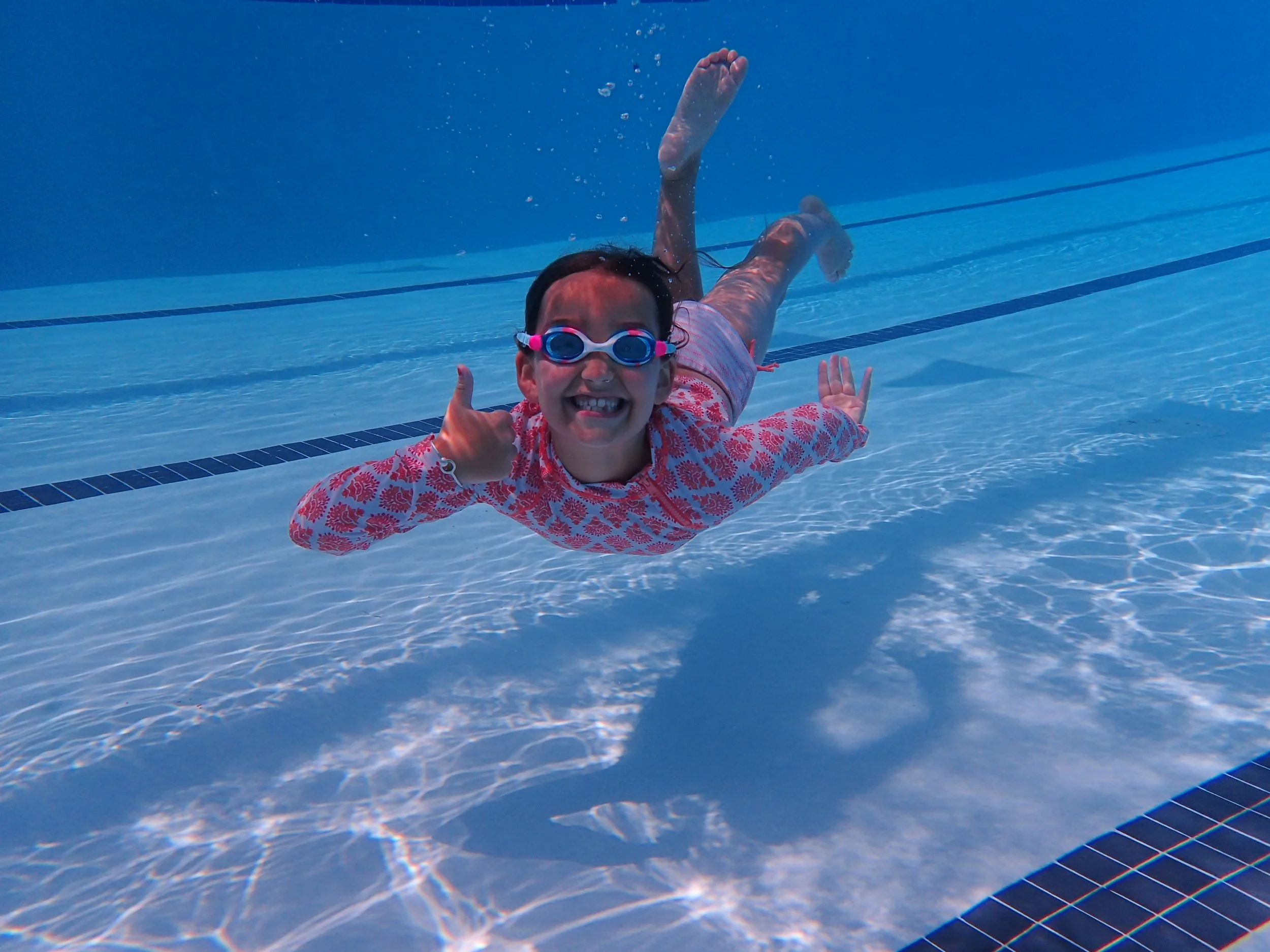
Skills become habits—habits become confidence.
From there, swimmers progress into a developmental team environment, where the focus shifts from basic skills to consistent habits. This is where swimmers learn how practices work, how to take feedback, and how to set simple goals: a better streamline, a cleaner turn, more confident breathing. Developmental training is the bridge between “learning strokes” and “training strokes,” and it’s often where swimmers fall in love with the sport—because they can finally feel improvement happening week to week.
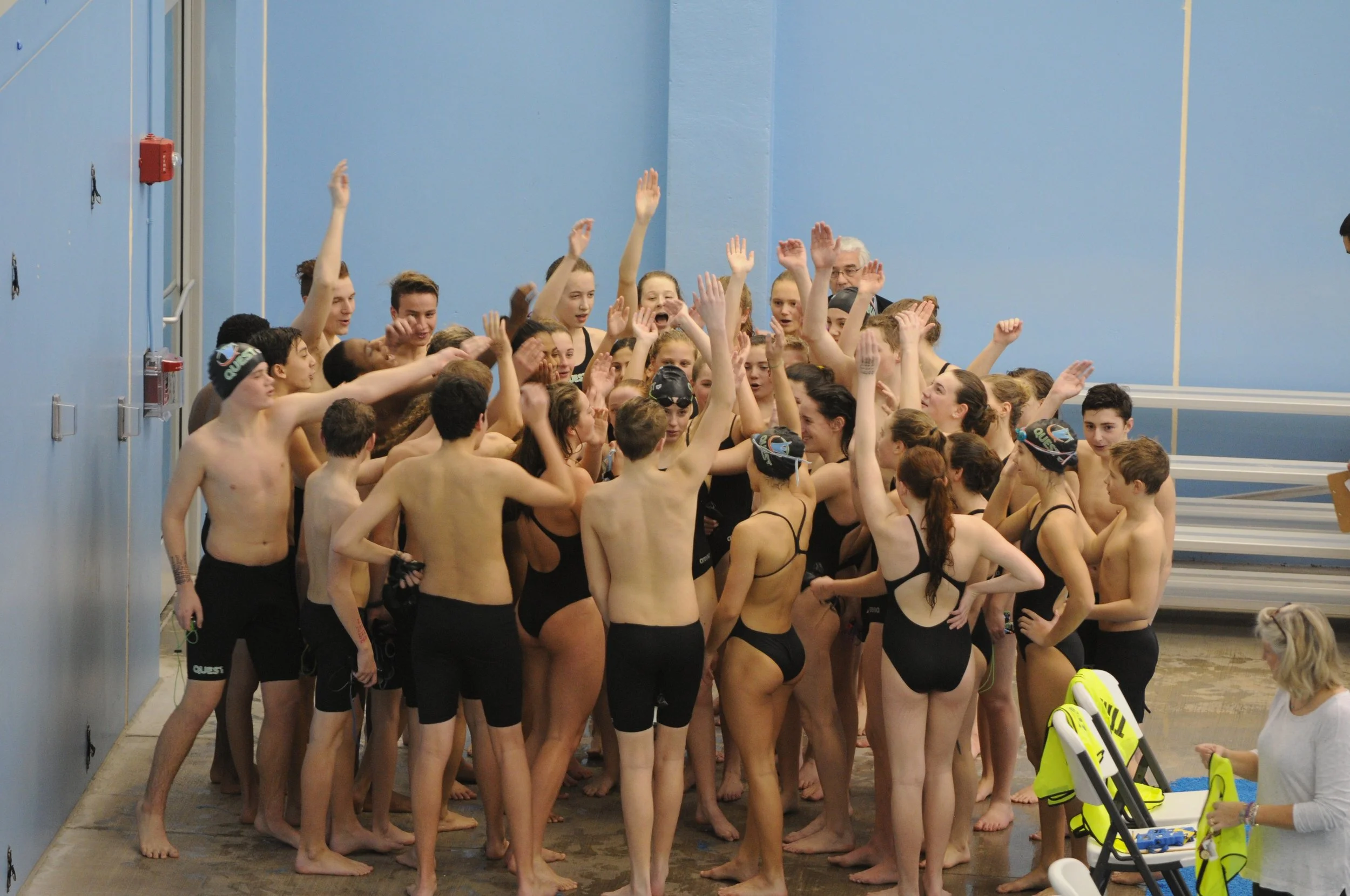
Belonging keeps swimmers in the sport.
Next comes the competitive team stage—the local swim team experience where swimmers begin racing more regularly, learning meet routines, and developing resilience. This is where the sport teaches its most transferable lessons: time management, accountability, teamwork, and the ability to bounce back after a tough swim. Competitive seasons also give swimmers identity and belonging: they aren’t just learning skills anymore—they’re part of a team, working toward shared goals, and celebrating each other’s progress.
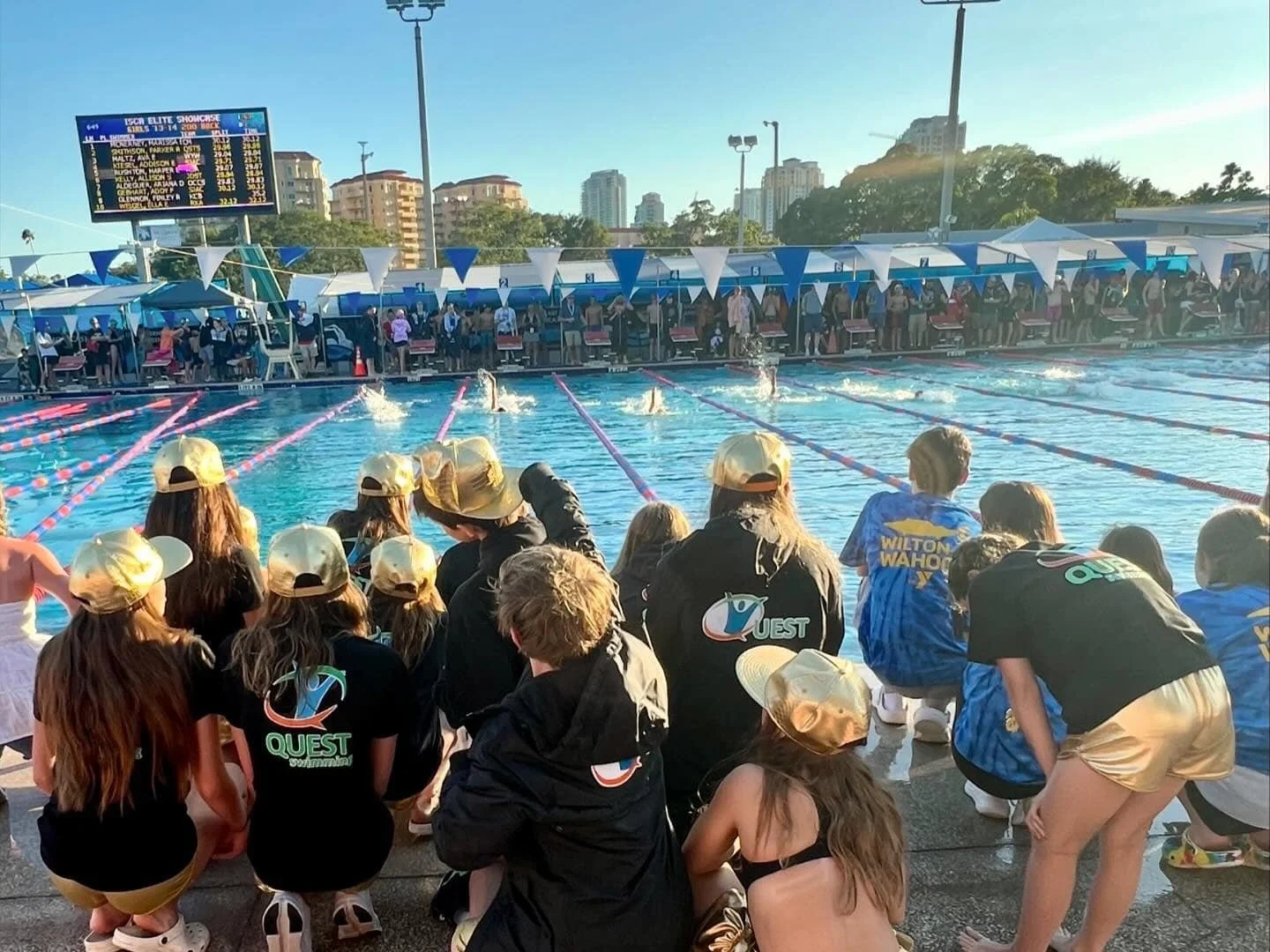
Big meets are built on small daily efforts.
For qualifying swimmers, that pathway can extend to championship travel meets and national-level opportunities. As athletes grow, they may pursue tougher time standards, qualify for regional championship events, and aim for USA Swimming pathways like Futures, Sectionals, or Junior Nationals (depending on age and time standards). These experiences are “fast lane” moments: they reward long-term consistency, sharpen race strategy, and expose swimmers to higher levels of competition—often becoming the spark that pushes them toward their next breakthrough. Supporting this full pipeline—swim school through travel meets—is how Quest strengthens the future of swimming locally: more kids learn to swim, more swimmers stay in the sport, and more athletes have the chance to chase the meets they’ve worked for.
